
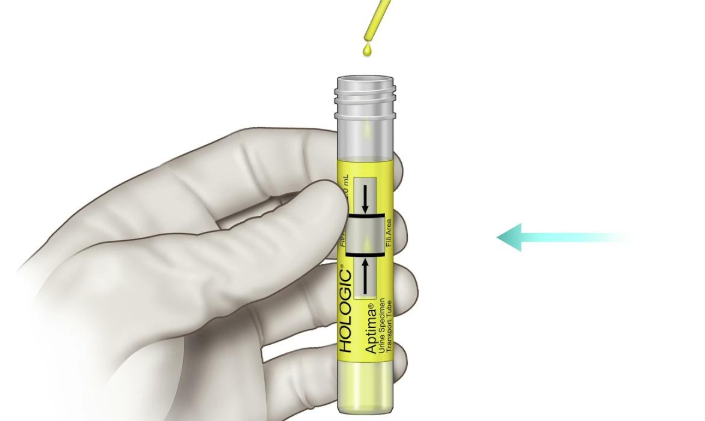
What Are the Rules for Collecting Urine Specimens?
Urine specimen collection is an essential part of medical testing, allowing healthcare professionals to diagnose a wide range of conditions, from urinary tract infections (UTIs) to kidney disease and diabetes. Properly collecting and handling urine specimens ensures accurate results and minimizes the risk of contamination. In this blog, we will explore the rules for collecting […]
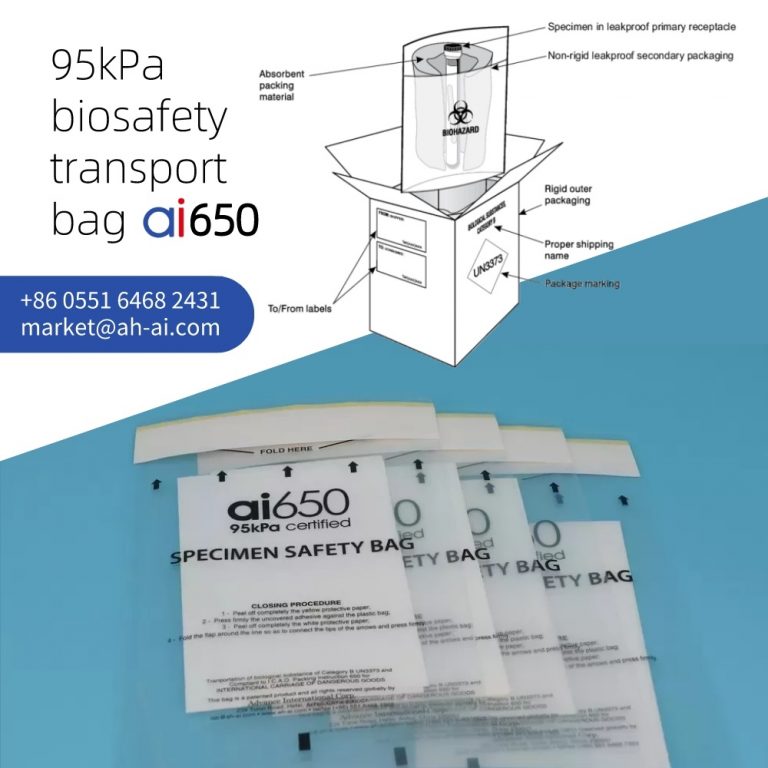
How to Use a Pathology Specimen Bag? A Step-by-Step Guide with AI650 Specimen Bag
Proper handling and transportation of pathology specimens are critical to maintaining sample integrity and ensuring accurate lab results. If you work in healthcare, research, or diagnostics, using the right pathology specimen bag is essential for safety and compliance. What Is a Pathology Specimen Bag?A pathology specimen bag is a leak-proof, tamper-evident bag designed to safely […]
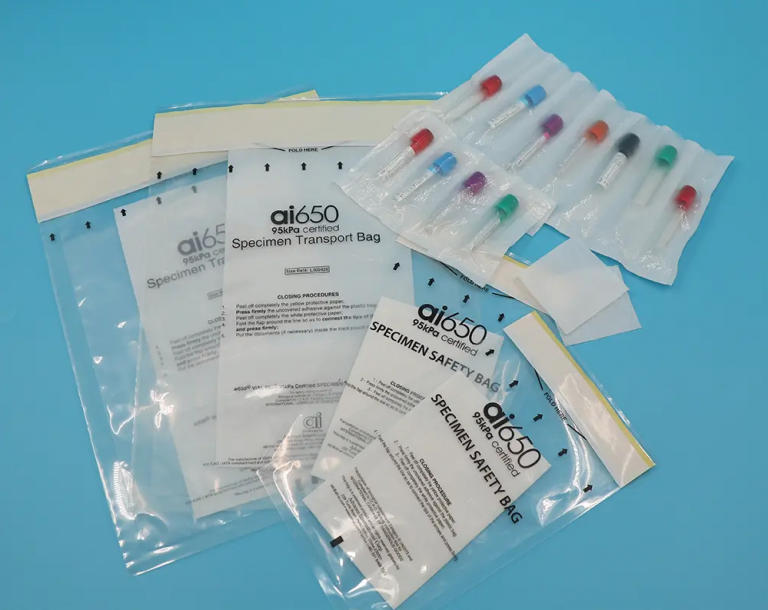
Everything You Need to Know About 95kPa Transport Bags and More
In an era where the safe and compliant transportation of sensitive materials is critical—from medical specimens to hazardous chemicals—95kPa transport bags have emerged as a cornerstone of secure logistics. These specialized packaging solutions are engineered to meet rigorous international standards, ensuring integrity under pressure and extreme conditions. Here’s a comprehensive guide to their applications, compliance requirements, […]
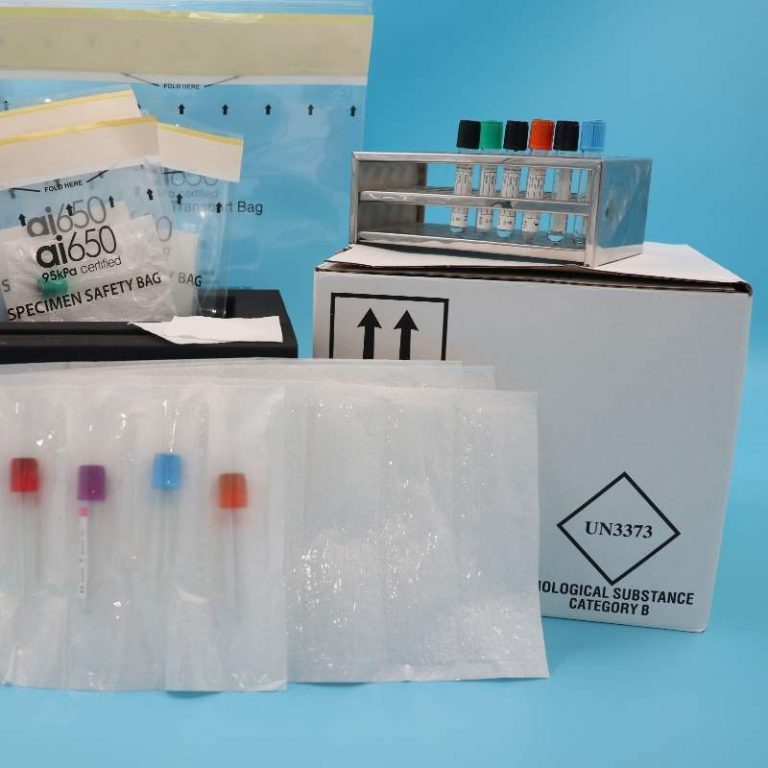
A Comprehensive Guide to Biohazard Specimen Bags: Why the AI650 Model Sets the Standard
Biohazard specimen bags are a critical line of defense in healthcare, laboratories, and hazardous material handling. Designed to safely contain and transport infectious substances, these bags protect personnel, prevent cross-contamination, and ensure compliance with global safety regulations. In this guide, we’ll explore what makes a high-quality biohazard bag—and how the AI650 Specimen Bag raises the […]
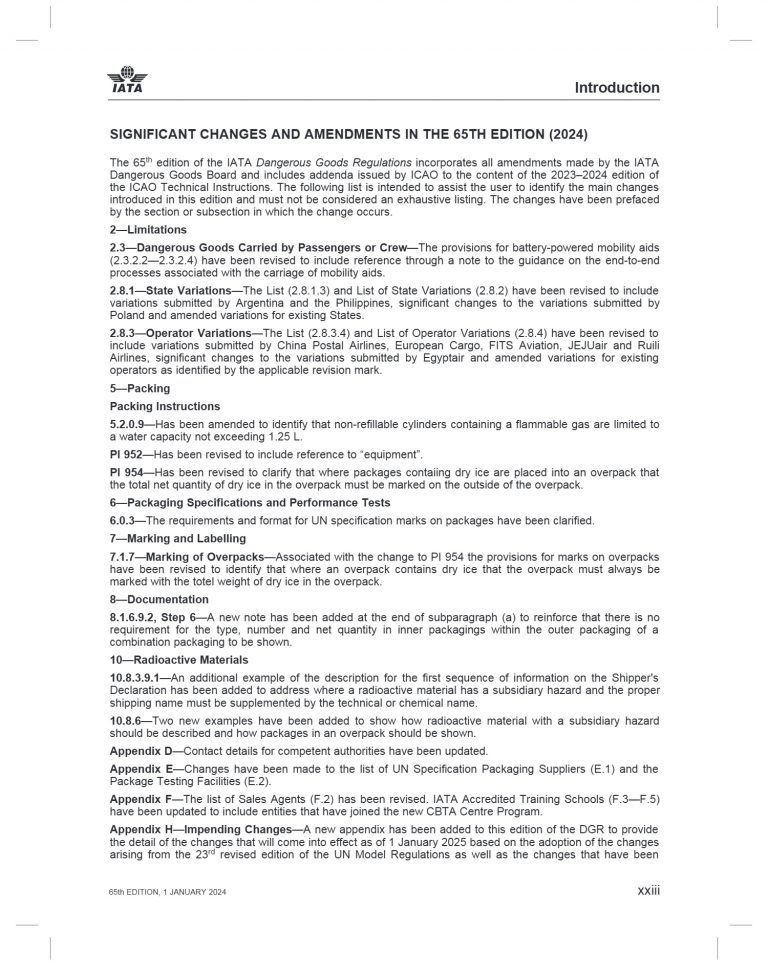
How to Ship Class 6.2 Infectious Substance Samples
Shipping Class 6.2 infectious substances is a critical task that requires strict adherence to international and national regulations to ensure safety, compliance, and the integrity of the samples. These materials, which include pathogens like viruses, bacteria, or toxins that can cause disease in humans or animals, fall under dangerous goods regulations. Mishandling them can lead […]